

AI 4.0 Course – The Future of Artificial Intelligence
Discover the next generation of AI technology and build future-ready skills.
Artificial Intelligence (AI) has transformed the way we live, work, and interact with technology. From voice assistants to self-driving cars, AI is already part of everyday life.
Now the world is entering a new phase known as AI 4.0, where intelligent systems can understand context, collaborate with humans, and perform complex tasks with minimal supervision.
This guide explores how AI 4.0 works, why it matters, and how learning AI skills can unlock powerful career opportunities in the digital economy.
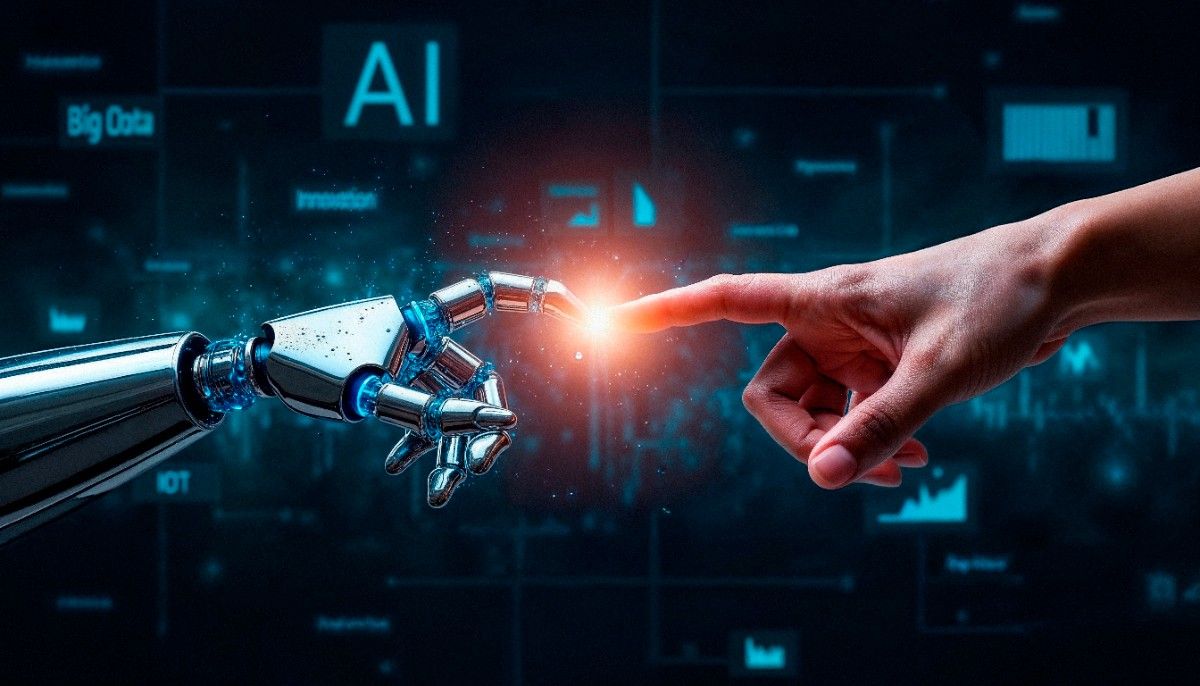
AI 4.0 Course – Future of Artificial Intelligence
Understanding the AI 4.0 Revolution
AI 4.0 Course – Future of Artificial Intelligence is designed to help students understand the next generation of artificial intelligence technologies that are transforming industries worldwide.
This AI 4.0 Course – Future of Artificial Intelligence focuses on modern AI systems that can learn, adapt, automate processes, and collaborate with humans to solve complex problems.
- ✔ Machine Learning Fundamentals
- ✔ Deep Learning & Neural Networks
- ✔ Natural Language Processing (NLP)
- ✔ Computer Vision & Image Recognition
- ✔ AI Automation & Smart Systems
- ✔ Autonomous AI Agents & Robotics
By joining the AI 4.0 Course – Future of Artificial Intelligence, students gain practical knowledge of AI tools, automation systems, and real-world applications used in modern businesses and technology companies.

AI 4.0 vs AI 3.0
Artificial Intelligence has evolved significantly over the years. AI 3.0 introduced powerful systems such as generative AI that can create images, text, videos, and even music. However, AI 4.0 represents the next stage of innovation where machines are capable of working autonomously, learning continuously, and collaborating with humans to complete complex tasks.
AI 3.0 – Generative & Data-Driven AI
AI 3.0 focuses mainly on generative technologies and machine learning models capable of analyzing large datasets and producing intelligent outputs. These systems are powerful but still rely heavily on human instructions and prompts to perform tasks.
- ✔ Content generation (text, images, videos)
- ✔ AI chatbots and virtual assistants
- ✔ Predictive analytics and data insights
- ✔ AI design and content tools
- ✔ AI-powered marketing automation
AI 4.0 – Autonomous & Intelligent AI
AI 4.0 moves beyond simple generation and analysis. It introduces autonomous AI systems that can operate independently, make decisions, and complete workflows without constant human supervision. This generation of AI integrates multiple technologies and enables true human-AI collaboration.
- ✔ Autonomous AI agents
- ✔ Multimodal intelligence (text, voice, image, video)
- ✔ Human-AI collaboration in workplaces
- ✔ Self-learning intelligent systems
- ✔ Advanced AI automation workflows
In simple terms, AI 3.0 focuses on generating intelligent outputs, while AI 4.0 focuses on building intelligent systems capable of thinking, learning, and acting independently. This shift will redefine industries such as healthcare, finance, education, marketing, and robotics in the coming years.
The Evolution of Artificial Intelligence
Artificial Intelligence has evolved rapidly over the last few decades. From simple rule-based systems to intelligent autonomous machines, AI technology continues to transform industries and redefine the future of work.
AI 1.0 – Rule-Based Systems
The earliest form of artificial intelligence relied on predefined rules and logic-based programming. These systems were capable of performing specific tasks but lacked the ability to learn or adapt.
- ✔ Basic chatbots
- ✔ Expert systems
- ✔ Early automation tools
- ✔ Rule-based decision engines
While useful at the time, these systems struggled with complex problems because they could not learn from data.
AI 2.0 – Machine Learning
AI 2.0 introduced machine learning, enabling systems to learn patterns from data instead of relying solely on predefined instructions.
- ✔ Data-driven decision making
- ✔ Recommendation systems
- ✔ Fraud detection algorithms
- ✔ Predictive analytics
Machine learning significantly improved AI capabilities and laid the foundation for modern intelligent systems.
AI 3.0 – Generative Intelligence
AI 3.0 brought generative AI models capable of creating content such as text, images, videos, and music using advanced deep learning techniques.
- ✔ AI image generation
- ✔ AI video creation
- ✔ Conversational chatbots
- ✔ Content automation
This stage made AI accessible to businesses, creators, and developers across the world.
Why AI 4.0 Is the Future
Automation Revolution
Businesses are increasingly adopting AI to automate complex processes. AI 4.0 enables organizations to streamline operations, reduce costs, and improve efficiency through intelligent automation.
Examples include automated customer service, supply chain optimization, predictive maintenance, and smart data analysis.
Human-AI Collaboration
AI 4.0 focuses on collaboration rather than replacement. Intelligent systems assist humans in decision-making, creativity, and problem solving.
By combining human intuition with machine intelligence, organizations can achieve faster innovation and improved productivity.
Massive Economic Impact
According to global research, artificial intelligence could contribute more than $15 trillion to the global economy by 2030.
This growth will create millions of jobs in AI development, machine learning engineering, AI consulting, and automation industries.
AI 4.0 Course Overview
An AI 4.0 course teaches students how to work with modern artificial intelligence tools, automation systems, and machine learning technologies. These programs combine theoretical knowledge with practical experience, enabling learners to build real-world AI solutions and prepare for future careers in technology.
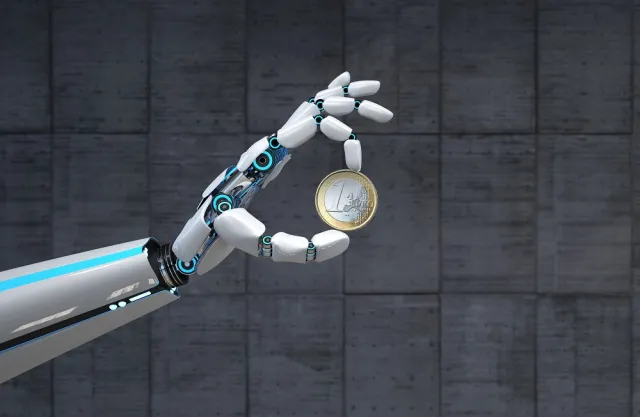
Economic Impact of AI
Artificial intelligence is transforming the global economy at an unprecedented pace. According to international research reports, AI could contribute more than $15 trillion to the global economy by the year 2030.
This rapid growth will generate millions of new job opportunities across industries, including AI development, machine learning engineering, AI consulting, robotics, automation engineering, and data science.
Who Should Learn AI 4.0
Students & Beginners
Students interested in technology can start learning AI early and build future-ready skills for careers in artificial intelligence and data science.
Digital Marketers
Marketing professionals can use AI tools to automate campaigns, generate content, analyze customer behavior, and improve digital marketing strategies.
Software Developers
Developers can integrate AI models, machine learning systems, and automation tools into applications to create powerful intelligent software.
Entrepreneurs
Business owners can leverage AI automation to scale operations, improve customer experience, and develop innovative products.
Business Professionals
Professionals across industries can use AI insights to make smarter decisions and optimize business performance.
Freelancers & Creators
Content creators and freelancers can use AI tools to produce images, videos, articles, and designs much faster than traditional methods.
Core Modules in an AI 4.0 Course
AI Fundamentals
Students learn the basics of artificial intelligence including machine learning algorithms, neural networks, and data analysis techniques.
Prompt Engineering
Prompt engineering involves designing effective instructions for AI models to generate accurate responses and high-quality outputs.
Generative AI
Generative AI allows machines to create different types of content such as:
- ✔ Images
- ✔ Videos
- ✔ Articles
- ✔ Music
Real-World Applications of AI 4.0
The AI 4.0 Course – Future of Artificial Intelligence explains how modern AI technologies are transforming industries across the world. Through the AI 4.0 Course – Future of Artificial Intelligence , students learn how intelligent systems are applied in healthcare, finance, education, marketing, and many other sectors. To understand the fundamentals of AI technologies, you can also explore IBM's Artificial Intelligence Guide .
Healthcare
AI 4.0 technologies help doctors diagnose diseases faster and more accurately. In the AI 4.0 Course – Future of Artificial Intelligence, students learn how AI-powered medical imaging can detect conditions such as cancer at early stages.
Finance
Financial institutions use AI 4.0 systems for fraud detection, risk analysis, algorithmic trading, and intelligent financial forecasting.
Education
AI 4.0 enables personalized learning platforms and intelligent tutoring systems that adapt to each student's pace and learning style.
Marketing
AI 4.0 tools analyze customer behavior, optimize campaigns, generate content, and improve business decision-making for businesses worldwide.
Career Opportunities After an AI 4.0 Course
AI Engineer
Machine Learning Specialist
AI Consultant
Prompt Engineer
AI Automation Expert
Salary Trends in the AI Industry
The AI 4.0 Course – Future of Artificial Intelligence prepares students for high-paying careers in the rapidly growing AI industry. Professionals who complete an AI 4.0 Course – Future of Artificial Intelligence often work as AI engineers, machine learning specialists, or data scientists. AI professionals are among the highest-paid workers in the technology sector. In many countries, experienced AI engineers can earn more than $120,000 per year. In India, AI specialists typically earn between ₹8–40 lakh annually depending on experience and expertise.
Challenges and Ethical Concerns
The AI 4.0 Course – Future of Artificial Intelligence also covers important ethical issues and challenges related to modern artificial intelligence systems, including privacy, fairness, and the impact of automation on jobs.
Data Privacy
AI systems rely on large datasets, raising concerns about how personal data is collected, stored, and protected.
Algorithmic Bias
AI models can unintentionally inherit biases from training data, which may affect automated decisions and fairness in real-world applications.
Job Displacement
Automation may replace some repetitive jobs, but it will also create new opportunities and roles in the technology and AI industries.
Future Trends in AI 4.0
The AI 4.0 Course – Future of Artificial Intelligence explores emerging technologies that will shape the next generation of intelligent systems. Through the AI 4.0 Course – Future of Artificial Intelligence, students learn about advanced innovations such as AI agents, robotics, multimodal AI, and AI-powered scientific research.
AI Agents
AI Robotics
Multimodal AI
AI Scientific Research
Conclusion
Artificial Intelligence is entering a new era with AI 4.0 technologies. These advanced systems are transforming industries, creating high-demand careers, and changing how humans interact with technology. Students who want to build a future in AI can explore professional programs like the AI 4.0 Course at Morph Academy , which provides industry-focused training and practical learning. To understand the fundamentals of artificial intelligence, you can also explore resources from IBM Artificial Intelligence Guide . Learning AI today can prepare individuals for the future workforce and open powerful opportunities in the digital economy.
Frequently Asked Questions
What is AI 4.0? ▶
AI 4.0 refers to the latest generation of artificial intelligence that focuses on autonomous systems, human-AI collaboration, intelligent automation, and advanced machine learning technologies.
What skills are required to learn AI 4.0? ▶
Basic computer knowledge, logical thinking, and an interest in technology are helpful when learning AI. Understanding programming, data analysis, and digital tools can also help learners master AI technologies.
Can beginners learn AI 4.0? ▶
Yes, beginners can learn AI 4.0 through structured courses that start with fundamental concepts and gradually introduce advanced AI tools, automation systems, and machine learning technologies.
What are the career opportunities in AI 4.0? ▶
AI 4.0 offers many career opportunities including AI engineer, machine learning specialist, AI consultant, prompt engineer, automation expert, and data scientist.
How long does it take to learn AI 4.0? ▶
The time required to learn AI depends on the level of training. Basic AI tools can be learned within a few weeks, while advanced AI technologies may take several months of practice and project-based learning.
Why is AI 4.0 important for the future? ▶
AI 4.0 enables intelligent automation, advanced decision-making systems, and human-AI collaboration that will transform industries such as healthcare, finance, education, robotics, and digital marketing.